A student’s future should never feel smaller than an exam result

Dear Reader,
Over the last few weeks, I have found myself thinking about the emotional weight that students across the country have been carrying. Every year, examination season brings pressure, but this year, the anxiety has felt heavier because it has not been limited to performance alone. Students have had to deal with uncertainty, delayed clarity, re-examinations, allegations of irregularities, marking concerns, and the fear that months or years of effort may be affected by circumstances beyond their control. For many young people, an exam is not just an exam. It becomes a measure of hope, identity, family expectation, social standing, and the future they have been taught to imagine for themselves.
When controversies emerge around examinations such as NEET, CBSE assessments, or other education-related processes, we often discuss them in terms of systems, accountability, fairness, legal outcomes, and administrative correction. All of these matter. But somewhere in that conversation, we must also pause to ask what this does to the mind of a student who is waiting, refreshing portals, reading conflicting updates, listening to speculation, and wondering whether their effort will be recognised fairly. The emotional cost of uncertainty is rarely visible from the outside. A student may continue to study, attend classes, answer calls, and say they are fine, while internally carrying fear, helplessness, shame, anger, or exhaustion.
What has been most painful is reading about students who lost their lives during this period of academic uncertainty and pressure. No result, rank, paper, mark sheet, or admission process should ever become so overwhelming that a young person feels there is no way forward. And yet, as a society, we have normalised a level of academic pressure where children and young adults are often left feeling that one exam can define the worth of their entire life. This is not just a student issue. It is a family issue, an institutional issue, a policy issue, and a mental health issue that demands more compassion than we have often been willing to give it.
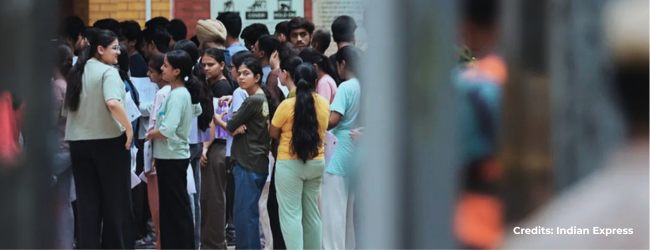
I have also been reflecting on how deeply students internalise the language around success and failure. When we tell them that this is the most important exam of their life, that everything depends on this result, that there is no room for mistakes, we may believe we are motivating them. But for a young mind already under pressure, those words can become a burden too heavy to hold. We cannot build ambition by making children afraid of imperfection. We cannot prepare them for life by making them believe that life ends when one door closes.
This is where schools, colleges, coaching centres, families, and organisations around students have a much larger role to play. We need systems that are fair and transparent, but we also need environments that help students process disappointment, uncertainty, and fear before they become unmanageable. We need adults who know how to notice emotional withdrawal, sudden silence, irritability, hopelessness, or drastic changes in behaviour. We need institutions that treat counselling and emotional support not as emergency responses after something goes wrong, but as part of the everyday academic ecosystem. Most importantly, we need students to hear, again and again, that their life is larger than any exam.
At YourDOST, we see every day how powerful it can be when young people are given space to speak honestly about what they are feeling. Sometimes, the first conversation is not about a clinical concern, but about pressure, confusion, comparison, fear of disappointing parents, or the loneliness of preparing for something that feels bigger than oneself. When students are able to name these emotions, they often begin to feel less alone inside them. Support does not remove the difficulty of competition or uncertainty. But it can help a student remember that they do not have to carry that difficulty in silence.

This moment should make all of us ask harder questions about the culture we are building around education. Are we teaching young people to strive, or are we teaching them to fear falling behind? Are we celebrating effort, curiosity, resilience, and growth, or only ranks, marks, and admissions? Are we giving parents and teachers the tools to respond with care when students are distressed? Are we making emotional support accessible before crisis arrives? These are uncomfortable questions, but they are necessary if we truly want to protect the well-being of our students.
I’ll leave you with a thought that has stayed with me through all of this.
A student’s future should never feel smaller than an exam result. Their worth should never be reduced to a rank, a score, or an admission list. Their dreams matter, but so does their ability to breathe, recover, ask for help, and keep going. As parents, educators, leaders, and institutions, we owe them systems that are fair, but we also owe them environments that are humane. Because no ambition is worth pursuing at the cost of a young life.
This is also why, through The Festival of Joy, we are recognising pioneering companies and campuses, as well as individuals, through the Care Awards across 8 categories. If you know an organisation, institution, leader, educator, or individual who is working to build cultures of care before crisis arrives, I would urge you to nominate them. These are the stories we need to bring forward, not just to celebrate good work, but to remind ourselves that care can be designed, practised, and sustained.
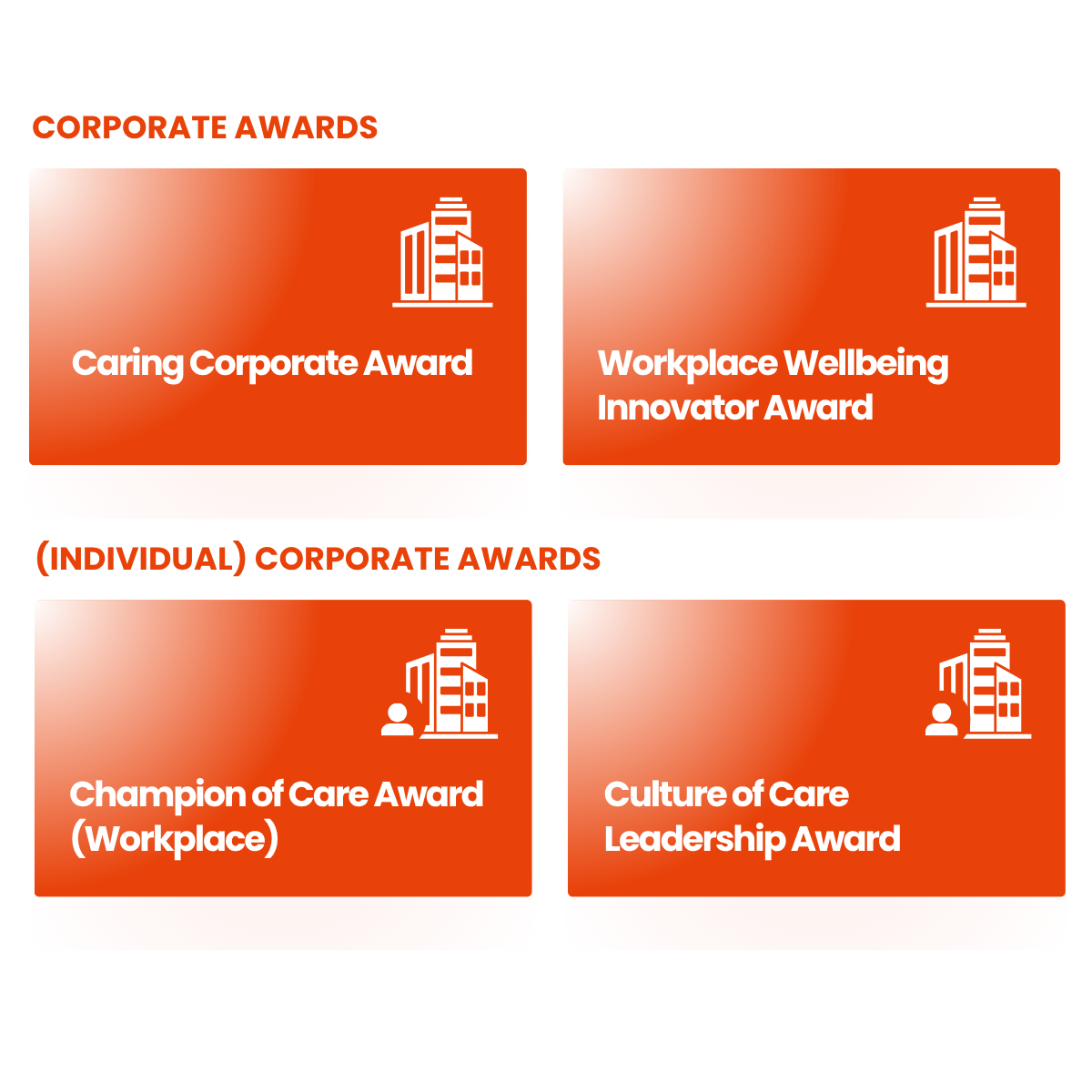
If you represent an organisation, you can nominate your organisation or an individual in any of these four corporate award categories:
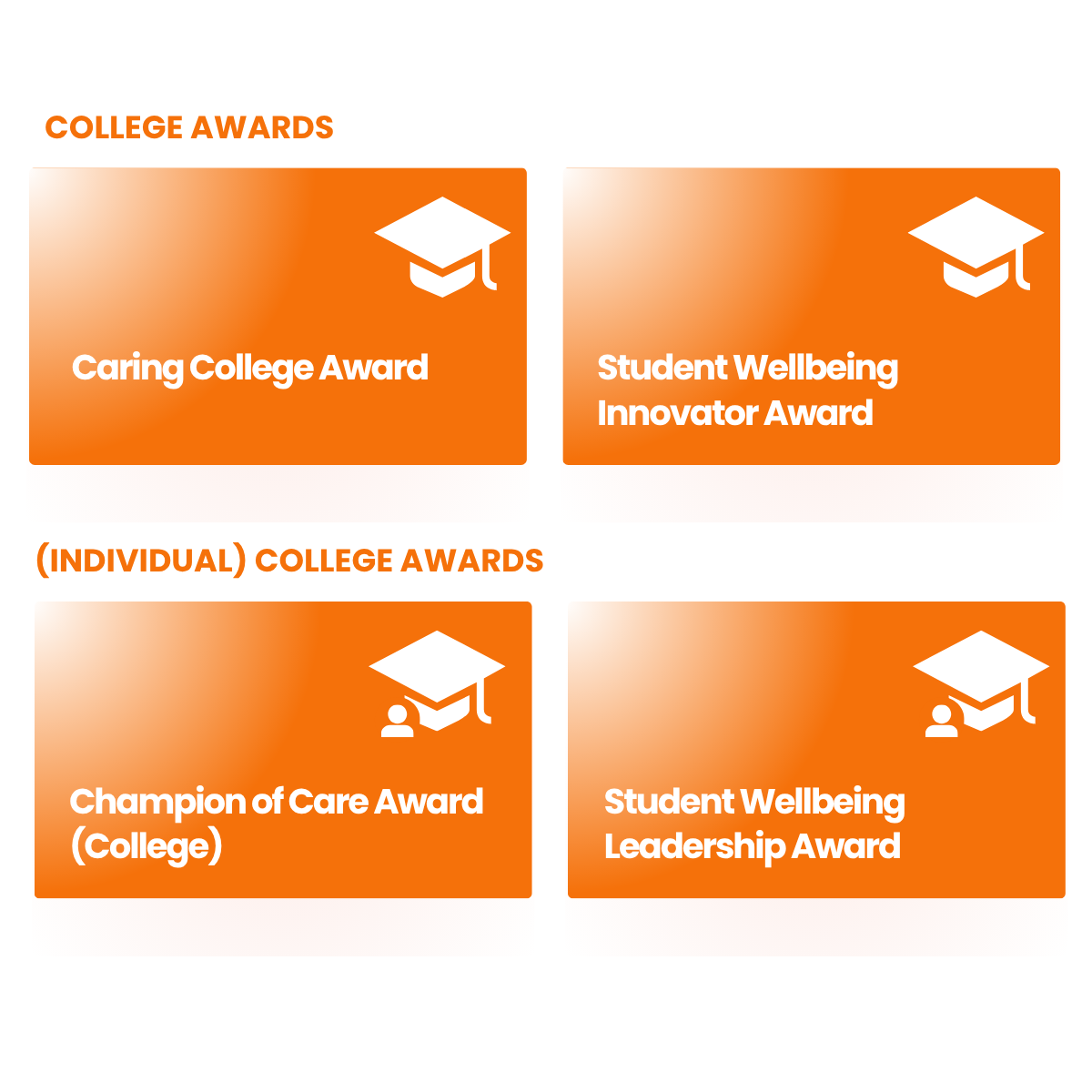
If you represent an institution, you can nominate your institution or an individual in any of these four corporate award categories:
Keep Rising & Shining,
Richa Singh
Co-Founder & CEO, YourDOST